They set clear, time‑bound goals for school subjects and Chinese, then map fixed commitments and block remaining study hours for focused, single‑task sessions. Short, timed bursts with brief reviews improve retention while daily micro‑practice (phrases, tone drills chinese enrichment class, contextual flashcards) builds fluency. Teachers and tutors coordinate to avoid duplication and align assessments. Progress is monitored weekly and schedules adjusted to protect wellbeing. Continued guidance provides practical templates and step‑by‑step adjustments for a sustainable plan.
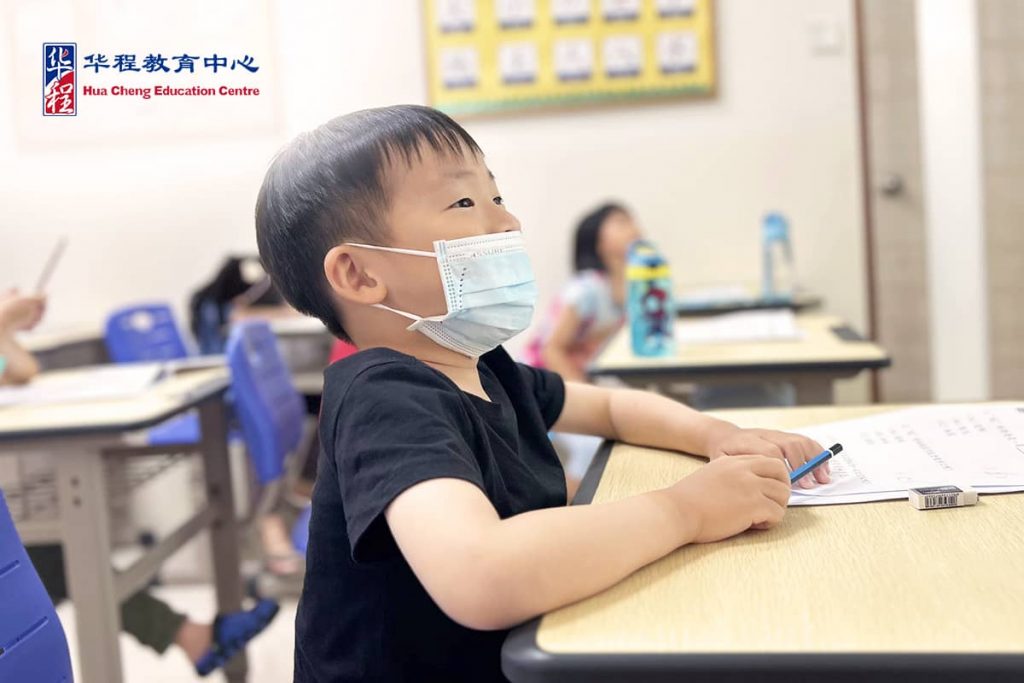
Set Clear Goals for Both School and Chinese Lessons
How should a student allocate attention between classroom responsibilities and Chinese lessons? A pragmatic approach begins with defining specific long term milestones for academic subjects and language proficiency, clarifying what success looks like in one yanzi mandarin, three, and twelve months. The student then establishes measurable assessment criteria for each milestone—exam scores, vocabulary range, oral fluency levels—so progress is visible and decisions remain autonomous. Priorities become data-driven: if assessment criteria show stagnation in school subjects, attention shifts accordingly; if Chinese progress lags, adjustments follow. Goals should be realistic, time-bound, and revisited regularly to preserve flexibility. This framework empowers the student to balance commitments deliberately, reducing conflict between obligations while protecting personal choice and progress.
Build a Weekly Schedule That Respects Priorities
In a week-by-week plan, the student maps fixed commitments (classes, exams, deadlines) first, then allocates remaining blocks to Chinese lessons, homework, and deliberate practice according to the priorities set earlier. The resulting schedule uses time blocking to protect essential tasks and to preserve free periods for rest or optional study. Priority mapping informs which sessions receive longer or more frequent blocks, ensuring urgent school tasks and progress in Chinese are balanced. Flexibility is maintained by reserving one interchangeable block per week for unexpected demands or for pursuing interests. Regular review sessions check whether the allocation matches outcomes; adjustments are made to uphold both academic obligations and personal autonomy. The approach favors predictability without strict rigidity.
Use Focused, Short Study Sessions for Better Retention
Short, timed bursts of study help maintain concentration and reduce mental fatigue. Focusing on a single task during each interval—such as vocabulary practice or grammar exercises—improves encoding and recall. Regular, brief sessions scheduled throughout the week support steady progress without overwhelming other schoolwork.
Short, Timed Bursts
Frequently, learners achieve better retention by breaking study into brief, focused intervals; timed bursts concentrate attention, reduce cognitive fatigue, and create measurable goals for each session. Short, timed bursts let a student allocate specific minutes to Chinese tuition tasks—vocabulary drills, character writing, listening practice—then pause to reset. Using Pomodoro bursts or similar timers establishes predictable rhythm and preserves autonomy over study choices. Sprint reviews at the end of each burst encourage quick appraisal: what improved, what requires another pass, and whether to adjust duration or content. This approach supports flexible scheduling around school commitments, enabling efficient progress without long, draining sessions. It also fosters deliberate habits that respect personal pacing and long-term consistency.
One-Task Focus
After using brief, timed bursts to structure study, learners gain more by narrowing each session to a single task. The one-task focus emphasizes single tasking benefits: deeper concentration, faster progress, and clearer measures of achievement. Learners prioritize one Chinese topic—vocabulary, grammar, or pronunciation—during a set interval, reducing mental switching costs and preserving motivation. Practical distraction management techniques include silencing notifications, using a simple timer, and keeping the study space free of unrelated materials. Periodic short breaks restore attention without eroding momentum. This approach aligns with a desire for freedom by enabling predictable, flexible study blocks that fit around school commitments. Over time, consistent single-tasking builds efficiency, making combined tuition and schoolwork more manageable and sustainable.
Integrate Chinese Practice Into Daily Routines
One practical approach is to incorporate short Chinese tasks into existing routines, such as practicing a set of morning phrases while getting ready. Students can integrate vocabulary tied to current subjects into study sessions to reinforce both languages simultaneously. Simple daily-life speaking tasks—ordering food, describing schedules, or narrating actions aloud—provide frequent, low-pressure opportunities for active use.
Morning Phrase Practice
Typically, learners fold short Mandarin phrases into morning routines to build consistent exposure without adding separate study time; simple items like greetings, weather comments, or breakfast-related sentences can be practiced while brushing teeth, dressing, or commuting. The approach emphasizes brief, repeatable items that respect autonomy and time constraints. One-minute tone drills applied to a couple of sentences sharpen pronunciation patterns and reduce fossilized errors. Learners can rotate a small set of phrases weekly to keep practice fresh and voluntary. Recording oneself or using playback apps provides immediate feedback without formal lessons. Consistency matters more than quantity: frequent short bursts reinforce memory and confidence. This method integrates smoothly with school obligations while preserving personal choice over pace and content.
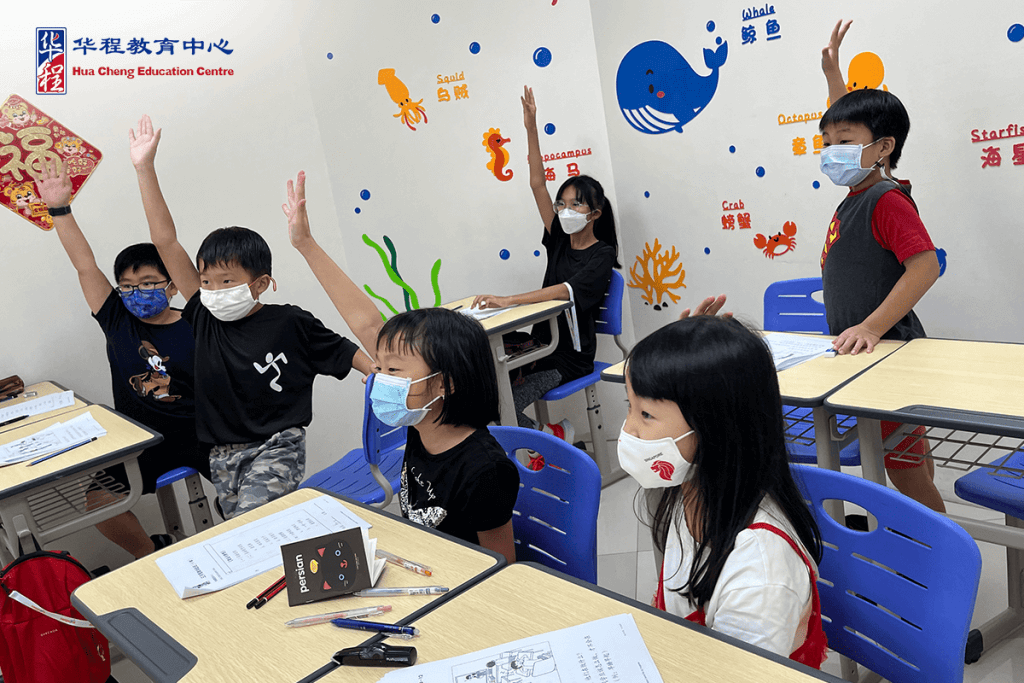
Study-Integrated Vocabulary
Morning phrase routines naturally lead to broader opportunities for folding vocabulary practice into daily activities. The learner arranges short sessions that pair contextual flashcards with concrete tasks—shopping lists, recipe steps, or commute observations—so words gain immediate relevance. The approach emphasizes thematic wordlists curated for particular routines, allowing efficient review without extra study time. Entries focus on high-frequency items and variations that appear in context, reinforcing retention through repetition in real situations. Progress is tracked by simple logs that note successful usage rather than time spent, preserving autonomy and avoiding pressure. This method complements tuition by turning passive moments into purposeful practice, supporting steady vocabulary growth while maintaining balance with academic responsibilities and personal freedom.
Daily-Life Speaking Tasks
Regularly embedding short speaking tasks into everyday routines helps learners convert passive knowledge into active use without demanding extra study time. The learner can plan brief prompts during meal conversations, narrating dishes, asking about preferences, or describing textures in Chinese. During errands dialogue, simple exchanges—requesting items, confirming prices, asking directions—become practical speaking drills that reinforce phrases and intonation. Tasks should last one to five minutes, be specific, and repeat daily to build automaticity. Use real-world goals: ordering food, bargaining politely, or explaining a schedule. Track progress with a concise checklist and occasional audio recordings to self-evaluate pronunciation. This approach respects autonomy, minimizes disruption to schoolwork, and steadily increases confidence in spontaneous spoken Chinese.
Coordinate With Teachers and Tutors for Consistency
When parents and program coordinators align expectations, curriculum pacing, and assessment methods between school teachers and private tutors, students receive consistent guidance that reinforces learning objectives and reduces confusion. Coordination requires regular teacher communication and clear curriculum alignment documents so everyone understands goals, key vocabulary, and upcoming assessments. Schedules should complement rather than duplicate content; tutors can preview school units or reinforce weak areas identified by teachers. Shared resources—lesson summaries, homework notes, sample questions—minimize conflicting instructions and respect the student’s autonomy to choose study pathways. Confidential, concise updates preserve privacy while keeping stakeholders informed. This cooperative approach empowers students to navigate both systems with predictability, lowers cognitive load, and creates space for optional enrichment that aligns with personal interests and long-term language goals.
Monitor Progress and Adjust Your Plan Regularly
Coordinating teachers and tutors establishes a consistent instructional framework, but that framework must be tested against measurable outcomes and adjusted as learning unfolds. Regular progress reviews quantify gains, identify gaps, and clarify which tasks consume time without commensurate benefit. Objective data — quiz scores, homework completion rates, speaking fluency samples — guides decision-making so changes remain learner-centered rather than reactive. Small plan tweaks, scheduled weekly or monthly, preserve momentum while protecting autonomy; adjustments can rebalance tuition intensity, alter homework types, or shift focus toward conversational practice. Stakeholders document results, agree on next steps, and set short, flexible targets. This iterative cycle keeps the schedule efficient, aligns expectations, and supports sustainable advancement without imposing rigid constraints.
Maintain Wellbeing to Prevent Burnout
Often, learners and their support teams benefit from deliberately preserving physical and mental energy to sustain long-term progress in Chinese study. Maintaining wellbeing requires routines that prioritize sleep, nutrition, and movement to support cognitive function. Incorporating restorative hobbies—music, walking, or creative pursuits—allows recovery between study sessions and reinforces intrinsic motivation. Clear mental boundaries around study time, tuition commitments, and leisure prevent spillover fatigue and preserve autonomy. Regularly scheduled breaks and realistic session lengths reduce cognitive overload while enabling consistent practice. Supporters can encourage reflection on stress signals and adjust expectations to match capacity. By treating wellbeing as integral to learning, individuals maintain steady advancement in Chinese without sacrificing broader life goals, ensuring study remains sustainable and liberating.
Frequently Asked Questions
How Do I Handle Siblings’ Competing Schedules?
They use a shared calendar to map activities, assign staggered pickups to reduce conflicts, negotiate flexible tutoring slots, rotate driving duties, and encourage independent transit where safe, preserving autonomy while maintaining clear, objective coordination for all siblings.
Can Online Chinese Classes Replace In-Person Lessons?
Yes; they can substitute partly: online immersion and virtual language exchanges offer flexibility, conversational practice, and diverse input, but in-person lessons still benefit pronunciation correction and cultural nuance—a learner chooses based on goals, resources, and desired freedom.
What if My School Schedule Suddenly Becomes Heavier?
If the school schedule becomes heavier, they prioritize workload triage, defer nonessential sessions, and use schedule flexibility to switch to shorter or asynchronous lessons; this preserves progress while reclaiming free time and reducing stress.
How Do I Request Extra Practice Materials From Tutors?
They politely request extra practice by asking tutors for vocabulary flashcards and grammar worksheets, specifying level, preferred format, and goals, proposing schedule-flexible delivery, and thanking tutors while remaining open to tailored recommendations that preserve learner autonomy.
Is It Okay to Pause Chinese Lessons Temporarily?
Yes — one can pause Chinese lessons temporarily. A language break can help; they recommend a motivation check beforehand. Planned pauses preserve autonomy, prevent burnout, and allow focused return with refreshed goals and realistic catch-up strategies.
Conclusion
Balancing Chinese tuition with schoolwork requires deliberate planning and regular reassessment. Clear goals guide task selection while a weekly schedule preserves priority time for both responsibilities. Short, focused study sessions and everyday integration—such as using Chinese during commute or meals—improve retention without adding hours. Coordination between tutors and teachers guarantees consistent expectations. Regular progress checks and adjustments, together with attention to sleep, nutrition, and breaks, sustain performance and prevent burnout over the long term.
…