Students in a pet grooming course learn essential animal anatomy and behavior to safely handle pets. They master various grooming tools and techniques tailored to different breeds and coat types pet grooming academy. The curriculum covers health and safety protocols, including hygiene and emergency care. Communication skills with pet owners are emphasized for better client relations. Additionally, students explore diverse career paths within the grooming industry. Further insight reveals how these skills integrate for professional success.
Understanding Animal Anatomy and Behavior
A thorough knowledge of animal anatomy and behavior is essential for effective pet grooming. Understanding the structure of different species allows groomers to handle pets safely and address specific grooming needs without causing harm.
Recognizing behavioral cues helps in anticipating reactions https://cosmos.petuniverse.com/, minimizing stress, and ensuring a calm environment. This knowledge empowers groomers to adapt their approach according to each animal’s temperament and physical condition, fostering trust and cooperation.
Awareness of sensitive areas, coat types, and skin conditions guides appropriate care, promoting the animal’s wellbeing. Ultimately, this foundation supports a grooming experience that respects the animal’s natural instincts and comfort, freeing both groomer and pet from unnecessary restraint or discomfort.
Such insight is fundamental before progressing to hands-on grooming techniques and tool mastery.
Mastering Grooming Techniques and Tools
Mastering grooming techniques and tools requires both skill and knowledge to guarantee effective and safe pet care.
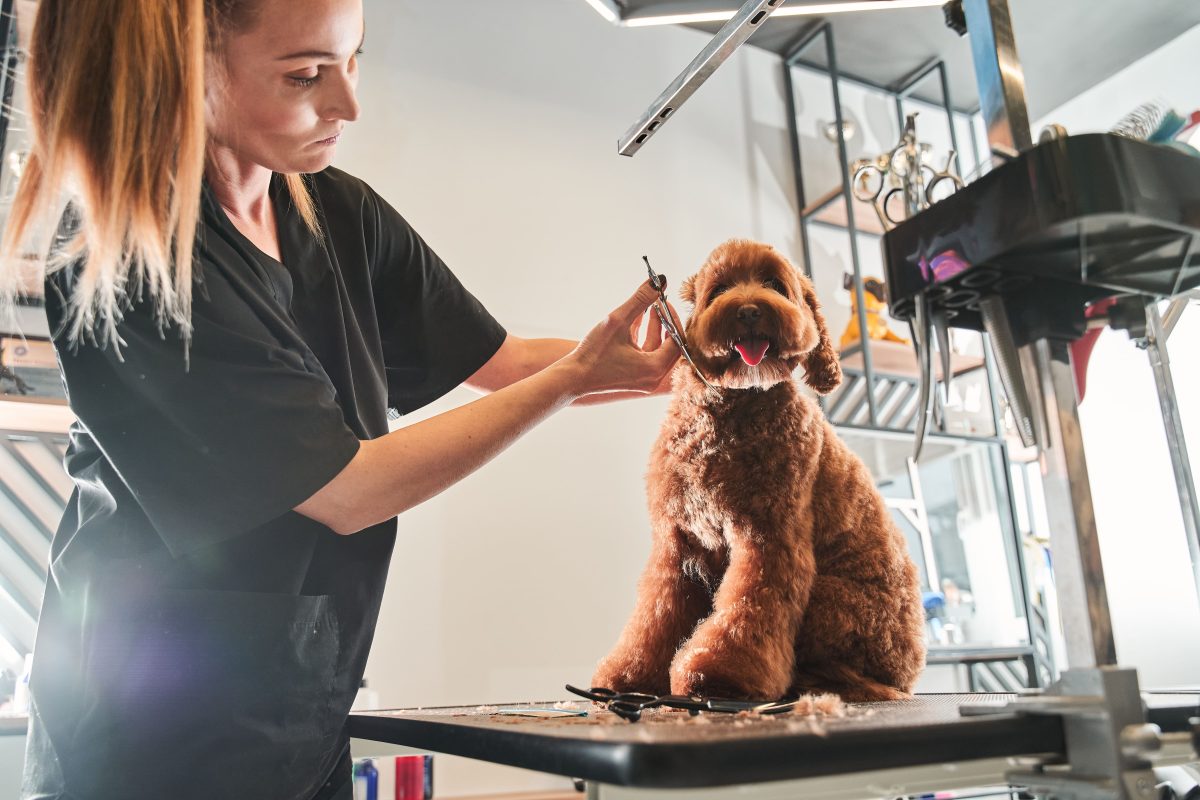
Students learn to handle various grooming instruments such as clippers, scissors, brushes, and combs, understanding their specific purposes and appropriate applications. Techniques are practiced to achieve clean cuts, proper fur maintenance, and comfortable handling of pets.
The course emphasizes adapting methods to different breeds and coat types, ensuring personalized care. Through hands-on experience, learners gain confidence in controlling tools precisely, minimizing stress for animals.
This mastery enhances efficiency and quality in grooming sessions, allowing professionals to work independently and creatively. Ultimately, proficiency in techniques and tools empowers groomers to provide high-standard services while respecting the animal’s comfort and natural beauty.
Learning Health and Safety Procedures
Because pet grooming involves close contact with animals and sharp tools, strict adherence to health and safety procedures is essential.
Students learn how to minimize risks by following hygiene protocols, such as sanitizing equipment and maintaining clean workspaces. Understanding animal behavior helps prevent bites and scratches, ensuring both groomer and pet remain safe. Proper handling of grooming tools reduces accidents and injuries.
Additionally, courses cover emergency response techniques, including first aid for minor wounds and recognizing signs of animal distress. This knowledge empowers students to create a safe environment that respects the wellbeing of pets and themselves.
Mastery of these procedures enables groomers to work confidently and responsibly, balancing care with efficiency while maintaining personal freedom in their professional practice.

Developing Customer Service and Communication Skills
Effective pet grooming extends beyond technical skills and safety protocols to include strong customer service and communication abilities. Students learn how to engage pet owners with clarity and empathy, ensuring clear understanding of grooming processes and pet needs.
Training emphasizes active listening, addressing client concerns, and managing expectations to build trust. Developing these interpersonal skills fosters positive relationships, encouraging repeat business and referrals.
Communication also involves explaining post-grooming care and recognizing signs of pet stress or health issues, which must be conveyed sensitively. Mastery of these skills grants groomers the freedom to create a welcoming environment, enhancing overall client satisfaction.
Consequently, the course equips students not only with grooming expertise but also with the communication tools essential for successful, independent practice.
Exploring Career Opportunities in Pet Grooming
Where can a career in pet grooming lead? Graduates of pet grooming courses find diverse paths that offer flexibility and independence. Many choose to work in established salons, gaining experience while enjoying steady income.
Others launch mobile grooming services, reaching clients directly and setting their own schedules. Ambitious individuals may open their own shops, creating personalized business models that align with their lifestyle goals.
Beyond grooming, opportunities exist in pet care consulting, product development, and training. This field supports entrepreneurial spirit and offers room for creative growth.
For those valuing autonomy, pet grooming can transform into a sustainable career that balances passion and freedom, allowing professionals to shape their work environment and lifestyle on their own terms.
Conclusion
A pet grooming course provides students with thorough knowledge of animal anatomy and behavior, crucial grooming techniques, and proper tool usage. Emphasis on health and safety procedures guarantees both groomer and pet well-being. Additionally, the course fosters customer service and communication skills essential for client interactions. Ultimately, students gain a well-rounded foundation, preparing them for various career opportunities within the pet grooming industry and contributing to professional and responsible pet care.
…